







Search Results for: juicy feel
Cold brew coffee bean brand recommendations | How long should cold brew coffee grounds be steeped to taste good? Which coffee beans make cold brew coffee with a juicy feel?
On a scorching summer day, walking the streets of Guangzhou, sweat drips from the top of your head all the way down into your clothes, and before long, your shirt is soaked through. This is a familiar sight at Front Street Coffee (FrontStreet Coffee) shops these days. An ice-cold coffee can instantly rescue you from the blazing furnace and bring you back to paradise. [more…]
Why isn't cold brew bitter? Understand the principle and choose beans more wisely in summer
The same bag of beans, hot-brewed, comes out bitter and astringent, but made into cold brew, it's clean, sweet, and delicious. This isn't an illusion—it's determined by the principles of extraction. Once you understand "why cold brew isn't bitter," you'll know what kind of beans to choose for summer, and you'll never have to worry about buying "cold bitter water" again. Where does coffee's bitterness come from? The bitterness in a cup of coffee mainly comes from [more…]
Cold Brew Coffee Bean Buying Guide
Cold brew coffee looks easy to make, but whether it tastes good or not is 70% down to the beans. Pick the right beans, and a simple soak in cold water brings out flavor; pick the wrong ones, and no matter how long you steep them, you're just left with a cup of "cold bitter water." Two principles for choosing beans for cold brew: First, prioritize light roasts and medium-light roasts. With low-temperature extraction, the floral and fruity aromas of light-roasted beans are preserved most completely, [more…]
The Source of Sweetness in Cold Brew Beans: The Combination of Processing Method and Roast Level
The gentleness of cold brew lies in the low temperature: acidity is blunted, bitterness is weakened, and the bean's sweetness takes center stage. Cold-brewing Front Street Strawberry Candy, the sweet aroma of strawberry gummy candy soaks in the cold brew pitcher for over a dozen hours, yielding a pink fruit coffee with built-in sweetness; after cold brewing, the passion fruit notes of Sidra become much gentler in acidity, so even those who dislike acidity can enjoy it. [more…]
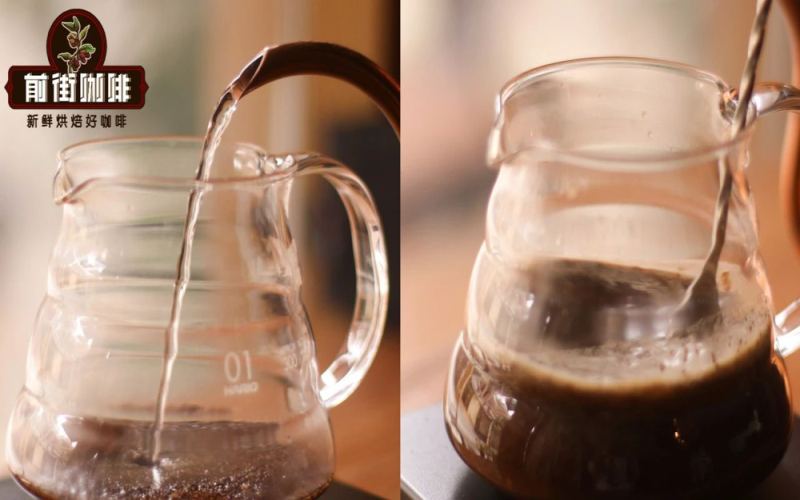
Cold Brew Coffee Recipe Illustrated | What's the Coffee-to-Water Ratio for Cold Brew Iced Coffee? Four Single-Origin Coffee Beans Recommended for Cold Brew
Many people distinguish cold brew coffee from iced coffee, because what we understand as iced coffee is the traditional concept of extracting with hot water, then adding ice or chilling it, turning the coffee from hot to iced. The biggest difference with cold brew coffee is that it uses cold water throughout, extracting at low temperature to obtain the coffee liquid. [more…]
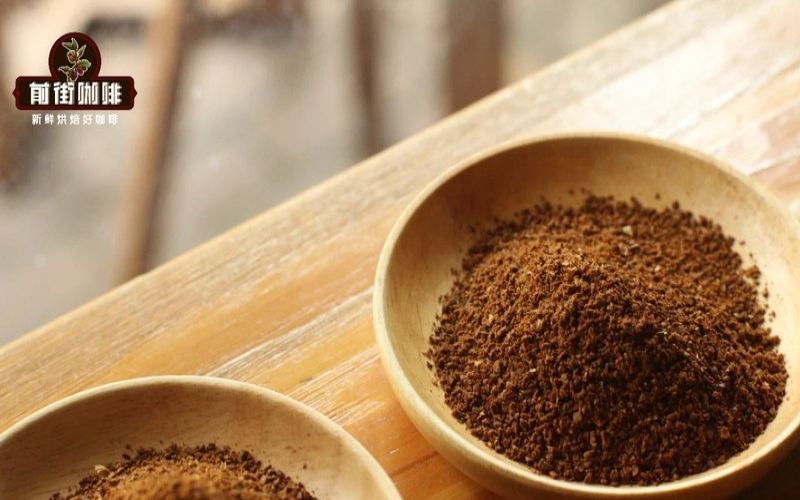
How to Choose Coffee Beans with Tropical Fruit Flavors: From Light Roast to Medium-Dark Roast
Tropical fruit flavors are commonly associated with notes like mango, passion fruit, pineapple, guava, and ripe berries. They smell bright and lively, and on the palate they easily bring out a juicy, sweet-tart quality. However, even when a coffee is described as fruity, different roast levels can make what’s in the cup shift from crisp fresh fruit to soft fruit jam. If you want to taste a particular kind of fruitiness, you can start with [more…]

Fruity and floral notes aren't just for light roasts: a bean selection approach for three roast levels
喜欢花香、果香,不必只盯着“浅烘”两个字。烘焙程度会重新安排一支豆子的香气、酸甜和口感:浅烘更像刚切开的水果与鲜花,中烘常把果味推向熟甜,深一些则可能留下果干、可可和焦糖气息。先决定想要清亮还是浓郁, [more…]
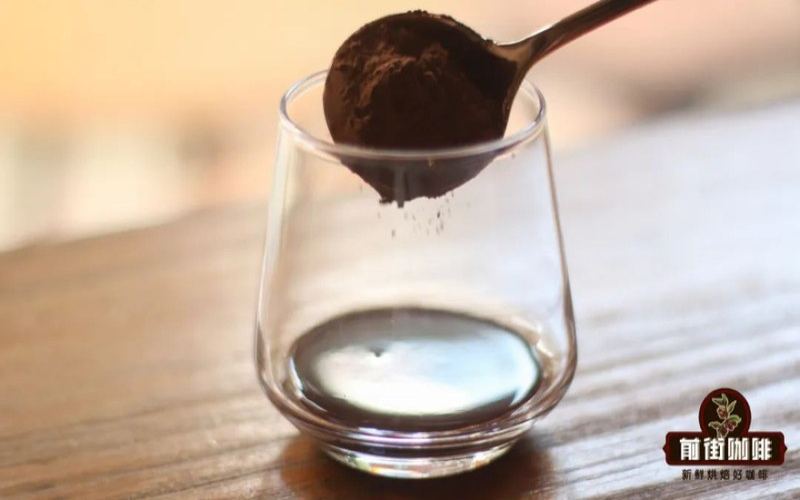
The acidity in SOE Americano is hidden in the roasting curve.
SOE americano is not a fixed flavor—whether it tastes "sour" depends first on how dark the coffee beans are roasted. Light roasts preserve more of the origin's natural fruit acidity and floral notes, medium roasts pull sweetness, body, and acidity into a more balanced position, and dark roasts move toward cacao, nuts, and caramel. If you want something smooth and easy to drink, start with the roast level. [more…]
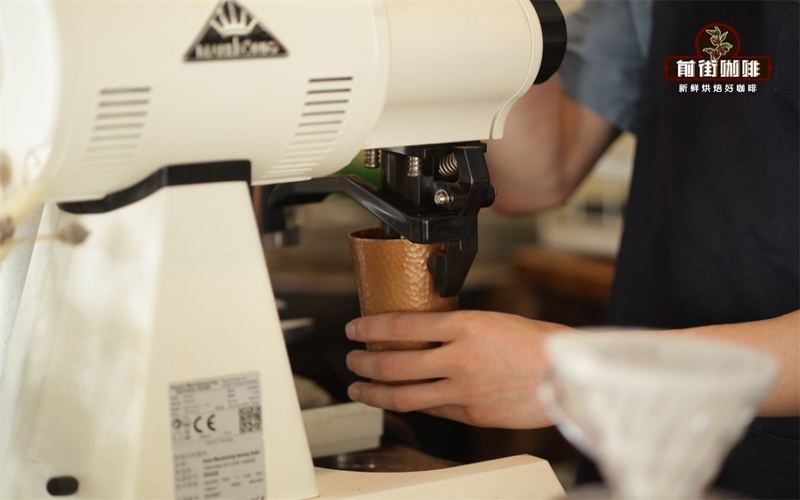
How to Choose Honey-Processed Coffee Beans: Flavors and Brewing Methods from Light to Dark Roast
The charm of honey-processed coffee beans often lies in the connection found between fruity aromas, sweetness, and a mellow mouthfeel. After the pulp is removed, part of the mucilage layer on the surface of the coffee fruit is retained, and through drying, sweetness and fermented notes may enter the flavor profile. Depending on the roast level, this sweetness can present itself in floral-fruity, juicy, or caramel directions. [more…]
How to Choose Medium-Roast Coffee Beans for Pour-Over: Three Styles from Fruity to Sweet
Medium-roast coffee beans are well suited to pour-over because they strike a good balance between aroma, sweetness, and body. They don't emphasize the bright acidity and fragrance of light roasts, nor do they put the roasty notes front and center like dark roasts. Once brewed with hot water, the cup retains the character of its origin while offering a rounder texture, making it a good choice for breakfast or the afternoon. [more…]

Breaking Down the Degassing Cycles of Blends and SOE: Calculate the Peak Flavor Window and Plan Your Drinking Rhythm
Freshly roasted coffee beans are wrapped in a large amount of carbon dioxide inside; these gases are slowly released over the following weeks, directly affecting the extraction efficiency of hot water and the expression of flavor. Espresso blends and single-origin espresso beans, due to differences in roast depth and bean texture, do not share the same gas release rate and peak flavor fullness. [more…]

SCA Coffee Flavor Wheel Analysis Tutorial | What Is Coffee Flavor? Which Single-Origin Coffee Beans Best Represent Coffee Flavor? How Can Beginners Distinguish Coffee Flavor Characteristics?
Professional barista exchange, please follow Front Street Coffee (FrontStreet Coffee). Many friends have asked Front Street's baristas: "Can you really taste so many flavors in the beans? How do you taste them?" First, this is about personal sensory perception. As everyone grows up, [more…]
Light Roast or Dark Roast? The Bean Selection Logic for Pour-Over Beginners
When you first start buying hand-brewed coffee beans, roast level is a very practical entry point to observe. It affects the coffee's sweet-and-sour expression, aroma type, mouthfeel weight, and brewing fault tolerance. When faced with descriptions on the packaging such as floral, fruity, nutty, or caramel, you can first judge whether the beans are light roast, medium roast, or dark roast, and then think about what kind of cup you want to drink. [more…]
SOE: Choose Dark Roast or Light Roast? Find Beans That Suit Your Taste by Roast Level
SOE refers to single-origin espresso, where the beans come from a more concentrated source, making the cup's distinctive character easier to taste. Choosing a dark roast or a light roast is essentially deciding whether this cup of coffee leans more toward fruity acidity and floral notes, or toward cocoa, nuts, and a rich, heavy sweetness. If you usually drink straight espresso or add water, the bright aroma of a light roast will be more recognizable; if [more…]
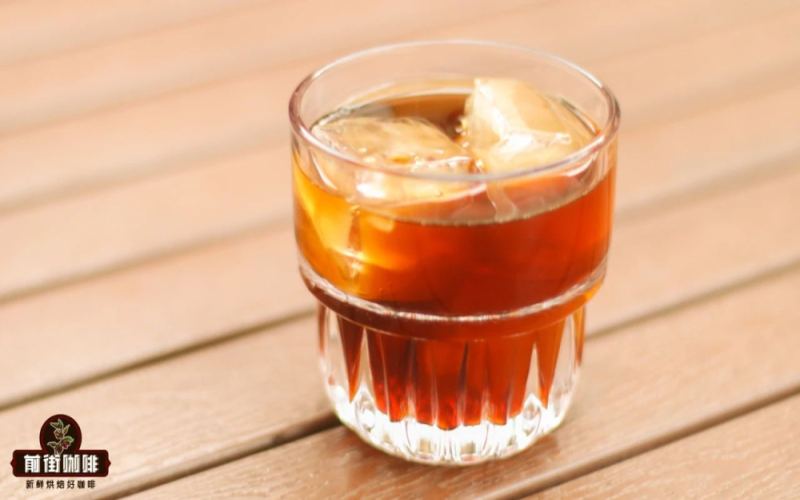
Coffee Types | What Are the Differences in Taste, Mouthfeel, and Characteristics Between Ice-Brewed Coffee and Cold Brew Coffee? How Long Can Ice-Drip and Cold-Brew Coffee Concentrate Be Stored in the Refrigerator?
For more specialty coffee knowledge, please follow our WeChat public account: Front Street Coffee (FrontStreet Coffee). Recently, Front Street came across a discussion asking "What's the difference between ice-brewed coffee and cold brew coffee?" Some replies said there was no difference, while others joked, "The difference is whether it's made by my hands. [more…]

Single-Origin Espresso at Home: How to Pull SOE on a Home Machine
SOE is short for Single Origin Espresso, which means using beans from a single origin to make espresso. Trying SOE on a home semi-automatic espresso machine is the starting point for many coffee enthusiasts moving from blends to single-origin coffees. SOE has a narrower extraction window than blends, and on a home machine you need to [more…]
How much does harvest freshness vary? The difference in floral and fruity aromas is huge.
Coffee beans, like fruit, are seasonal. Beans from the same mountain—fresh new crop just after harvest versus old beans that have sat for most of a year—can differ by a noticeable margin in the intensity of their floral and fruity aromas. When buying beans in the floral-fruity direction, besides checking the roast date, harvest season information is equally worth noting. Floral-fruity notes are among the faster-fading types of flavor, and freshness plays a [more…]
Kenya Double Washed Explained: The Bright Acidity in the Fermentation Tank
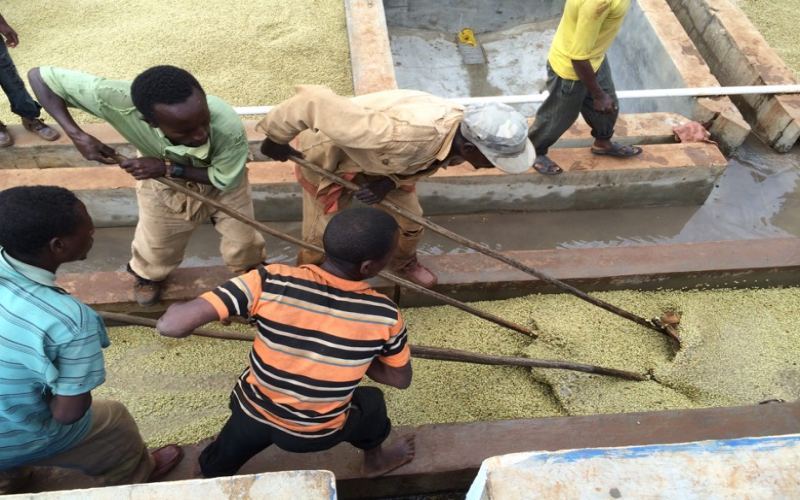
If you had to trace the "Kenyan taste" back to its processing origins, the answer would most likely point to double washing. This method, known locally as K72, polishes the fruit acidity of Kenyan coffee until it is bright, solid, and yet still clean. Once you understand double washing, you understand where the signature juicy quality of Kenyan beans comes from. Double Washing [more…]
Decaf Pour-Over Beans: Opening the Bag and Peak Flavor Window Explained — Master the Degassing Decline and Brew Your Best Cup
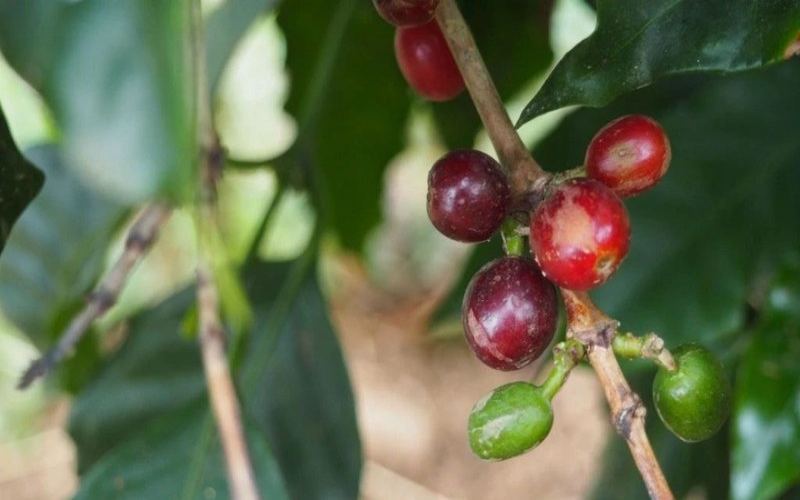
Decaffeination processing causes subtle changes to the cellular structure of green beans. After being heated during roasting, the pores inside the bean are often looser than those of regular beans, and the rhythm of degassing and flavor release is also more unique. If you want to taste clean, transparent fruity notes and sweetness from a pour-over brewer, understanding the freshness curve and degassing process of decaf coffee beans is [more…]
Choosing Americano coffee beans with prominent sweetness by roast level
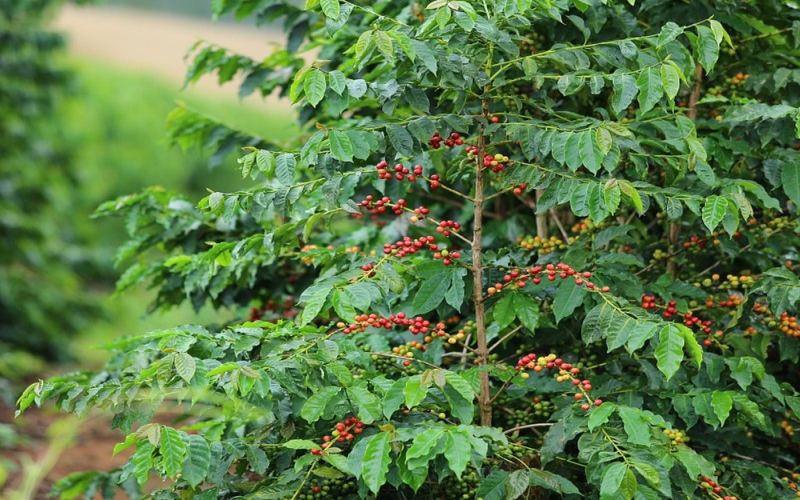
If you want a noticeably sweet Americano, the roast level of the coffee beans directly shifts the balance in the cup. Light roasts tend to show fruit, florals, and bright acidity, feeling crisp and lively in an iced Americano; medium roasts balance caramel, ripe fruit, and tea-like notes, going down smoothly whether hot or over ice; medium-dark or dark roasts bring cocoa, nuts, and a roasty sweetness. [more…]